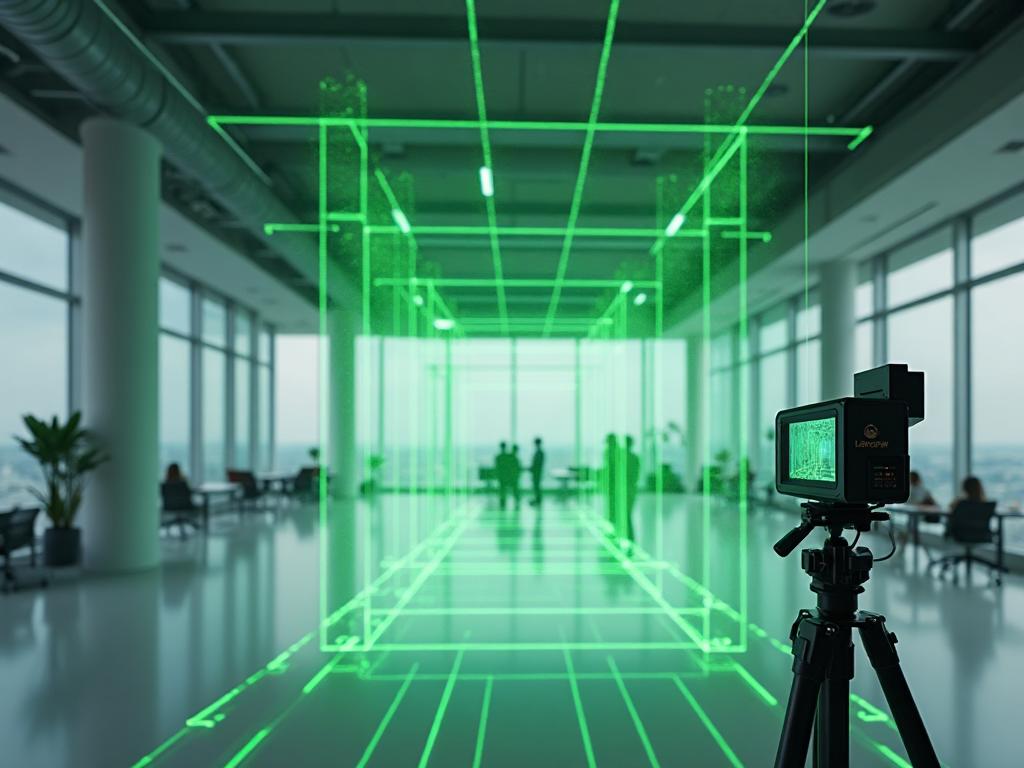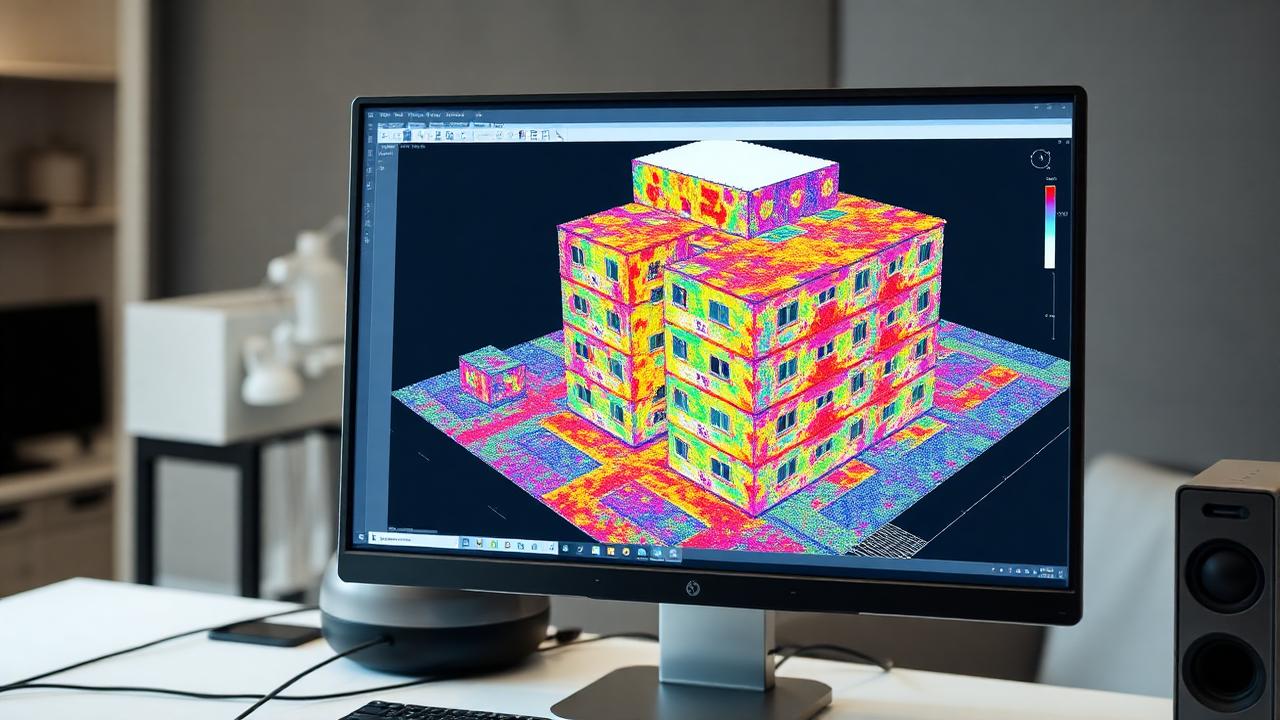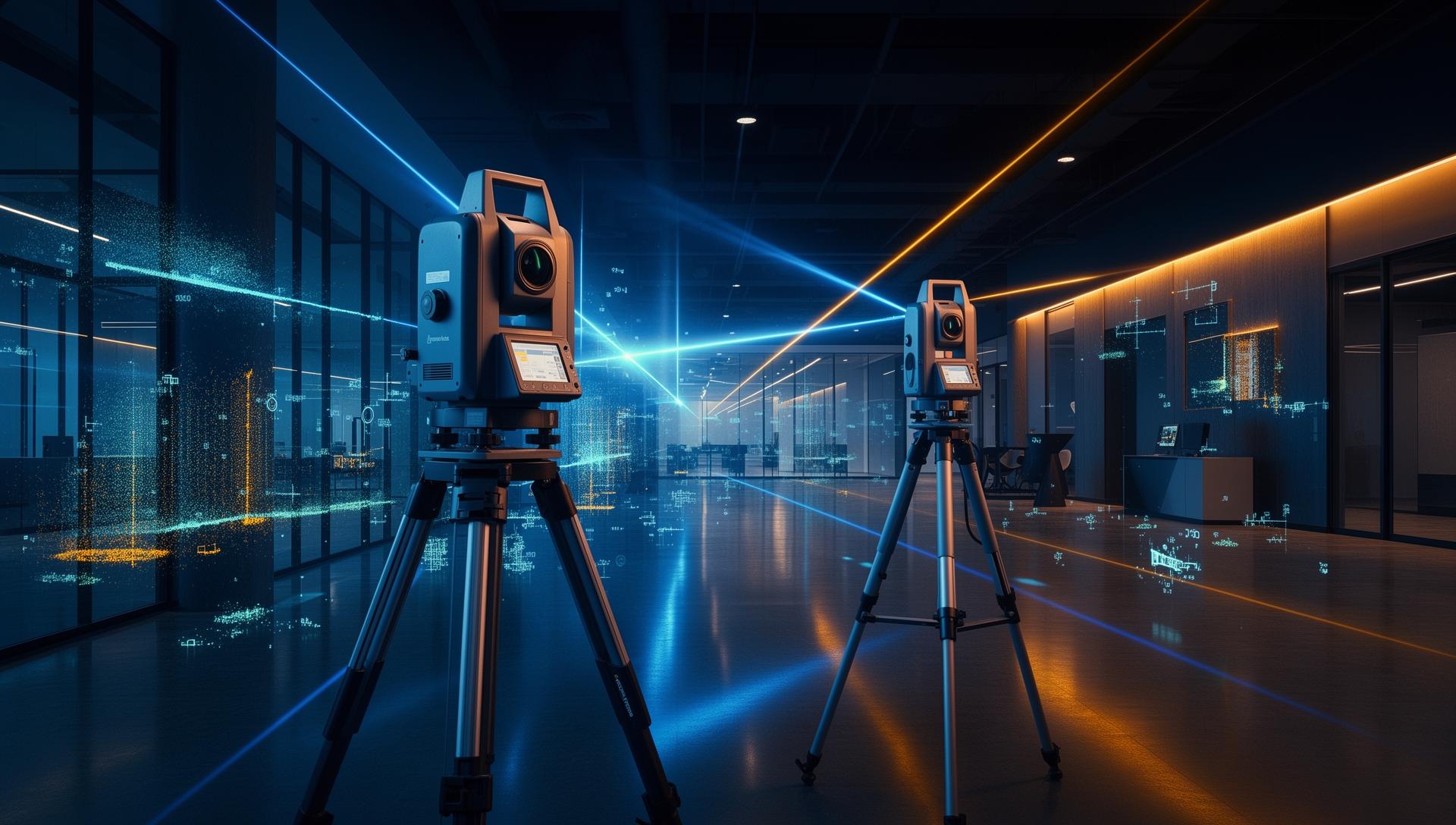
3D laser scanning is a non-contact technology that captures precise measurements of physical spaces and objects by emitting laser pulses and measuring their return time. This process creates what's called a point cloud—a dense collection of 3D coordinates (X, Y, Z data points) that represent the exact shapes, dimensions, and spatial relationships of everything within the scanned area.
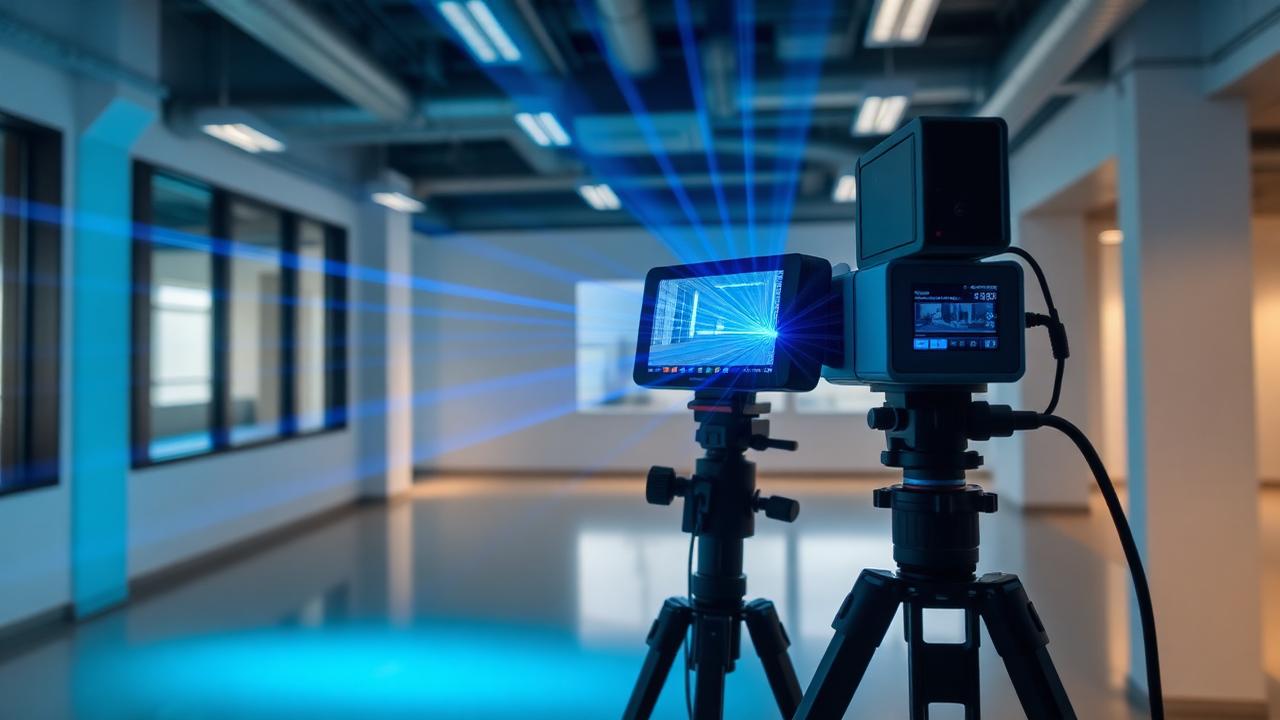
The technology behind 3D laser scanning is often referred to as LiDAR (Light Detection and Ranging). During a scan, the device rotates 360 degrees while firing millions of laser pulses per second at surrounding surfaces. Each pulse measures the distance to the point where it hits, building up a comprehensive digital representation of the environment.
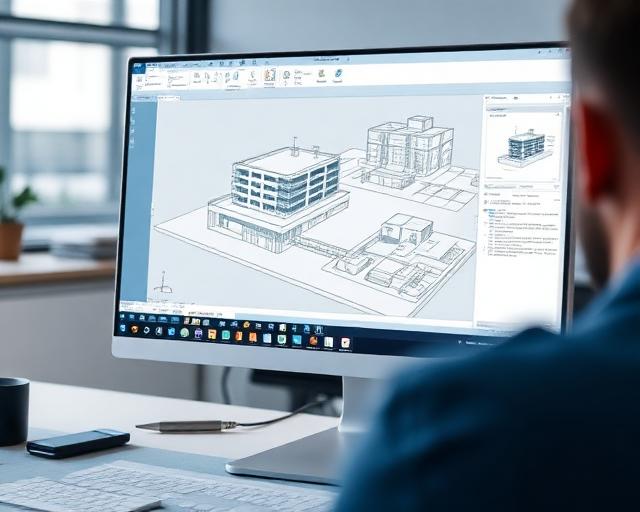
The result is a highly accurate digital model that can be used for as-built documentation, renovation planning, clash detection in construction projects, facility management, and many other applications where precise spatial data is essential. Unlike traditional measuring methods that capture individual dimensions, 3D laser scanning captures everything at once, providing a complete record of existing conditions.